
NEWS
Blog
Technology is evolving faster than most organizations can operationalize it. This blog explores how AI, Intelligent Automation, and Cloud/SaaS can be applied strategically—beyond hype—to solve meaningful business problems and deliver measurable outcomes.
Drawing on more than two decades of enterprise technology experience, I share practical insights on market dynamics, product strategy, AI economics, responsible adoption, and transformation sequencing.
Whether you’re a technology provider refining your positioning or an enterprise leader evaluating your next investment, these perspectives are designed to clarify complexity, challenge assumptions, and help you move from experimentation to sustained competitive advantage.
News | Technology | Utilities
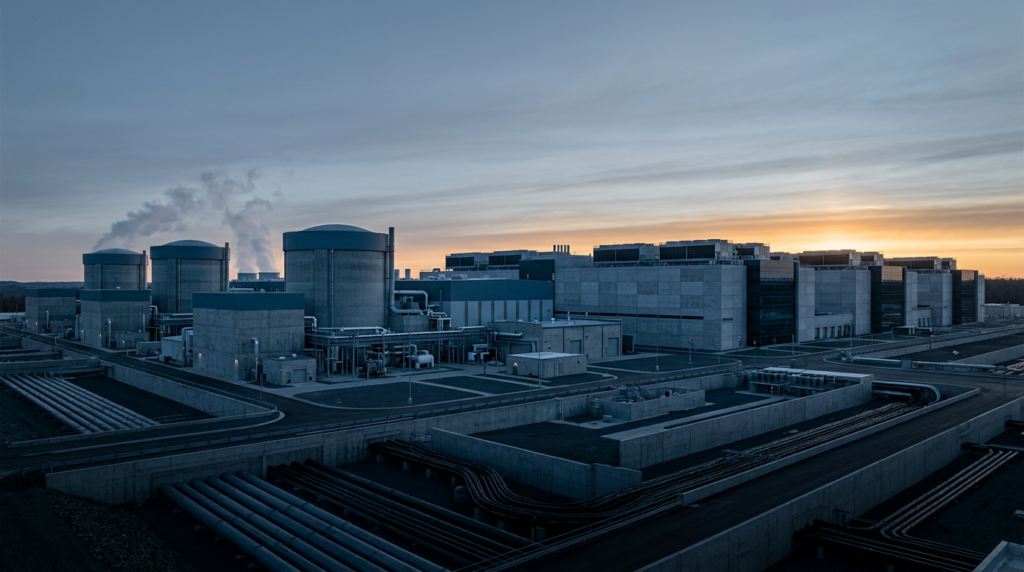
Small Modular Reactors and the Data Center Power Crisis: Promise, Timeline, and Hard Tradeoffs
Small modular reactors are the technology sector’s preferred answer to AI’s insatiable power demand — but commercial deployment remains five to ten years away. The organizations that will benefit are those building procurement expertise and supply chain understanding now, not those waiting for the technology to mature before engaging.

AI Governance & Risk | News
The EU AI Act’s August Deadline Is Not a Compliance Problem. It Is a Governance Reckoning.
Responsible AI — ProcessDynamix.com The EU AI Act’s August Deadline Is Not a Compliance Problem. It Is a Governance Reckoning. On August 2, 2026, the EU AI Act’s most operationally demanding provisions become enforceable — covering every high-risk AI system from hiring algorithms to credit scoring models. With 78% of enterprises yet to take meaningful […]
Utilities
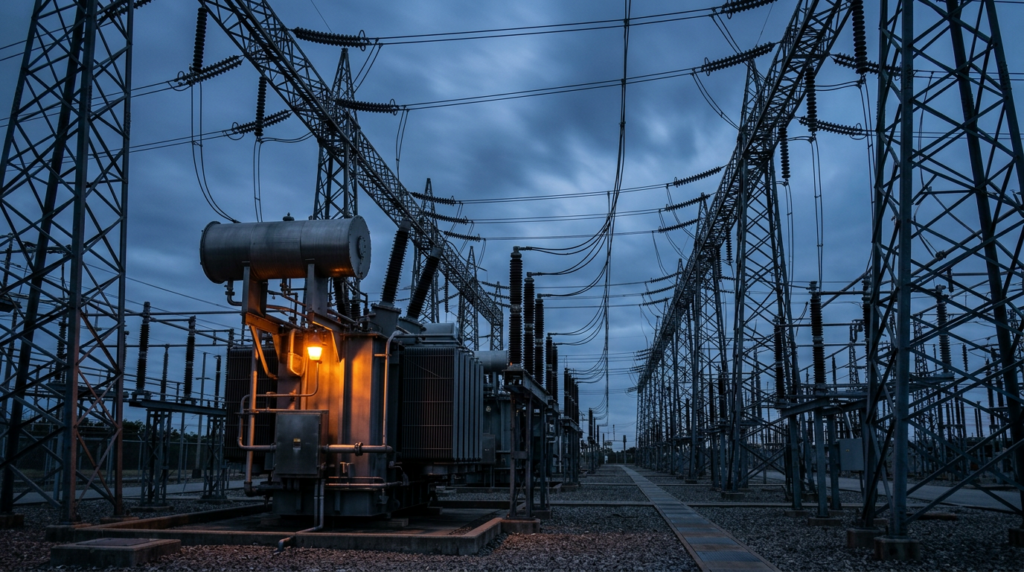
The Grid Knows More Than the Operator: How AI Is Reshaping Public Utilities
AI deployment in public utilities is outpacing the governance frameworks designed to oversee it. Predictive maintenance, grid optimization, and demand forecasting deliver measurable operational returns — but real-time machine decision-making at infrastructure scale creates accountability gaps, expanded cybersecurity exposure, and regulatory obligations that most utilities have not yet fully resolved.